








Artsy Musa Is A Comedian With More Than Punchlines
-
- August 13, 2026

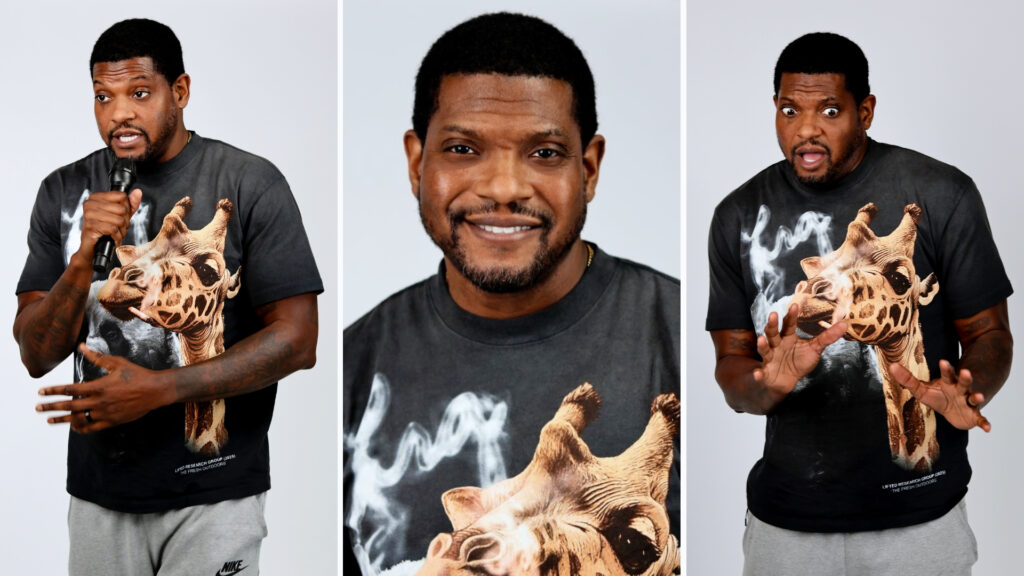
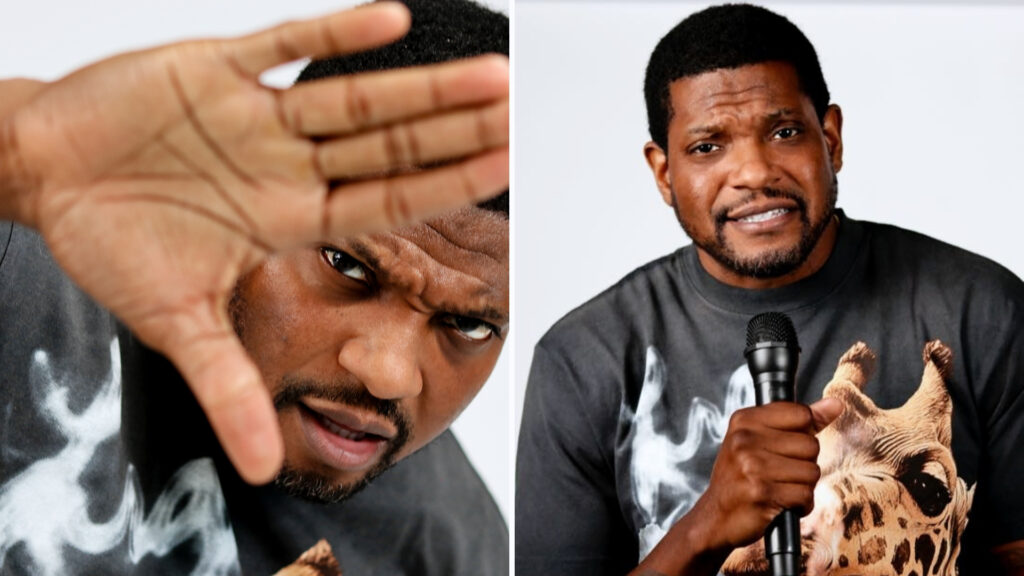
In this exclusive interview for INSIDE Monthly, we sit down with the multifaceted comedian and entertainer, Joshua Hyman—known on stage as Artsy Musa. From his early days growing up in D.C. to running his own production company, Musa shares his journey, his thoughts on the comedy scene, and how marriage has fundamentally changed his comedic persona.
What were you like as a kid and as a teenager?
Artsy Musa: As a kid, I was extremely skinny. As a teenager, same! I think I was always inquisitive, but I didn’t realize it until I got older. Hindsight is 20/20. When the TV or the remote used to break, I was always opening it up trying to configure it. I’ve always had an inquisitive way of trying to break things apart, and I feel like that translates to my comedy. I remember distinctively we used to have to do journal writing every day, and I used to be so excited to write in my journal ’cause we got to present it. I used to present my journal and the class used to laugh ’cause I used to make things up. So it was always in me. I’m not saying I was born to be a comic, but I feel like I’ve always shifted or pushed towards making people laugh.
Where have you been able to travel as a comedian?
Artsy Musa: All the major places. I’ve been everywhere except New York, strangely enough. I’ve been to L.A., Detroit, Kansas, all over Virginia. But my favorite place was Baltimore. I think that’s the largest seated, privately-owned club in the country. Me and Rodney Perry sold out that club twice—on a Friday and a Saturday. I’m originally from D.C., and I lived in New Bern before moving back to D.C. for 6 years. So my family is in D.C. That Saturday we sold out, my whole family came. I was like, this is the pinnacle of comedy to me. This is the Madison Square Garden of comedy because this is when it matters. I’m the type of person who takes in the city and shifts the jokes just enough to cater to them specifically. Those were room shakers.
Why is it so important for comedians to be organized?
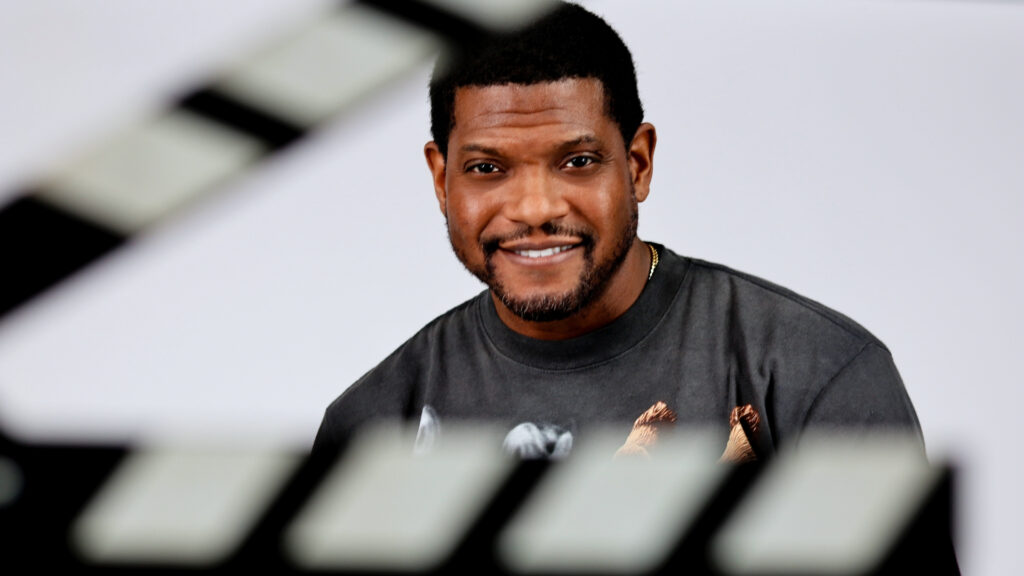
Artsy Musa: Organization is important when you’re trying to be a structured comic. It’s important for me to have every bit ready because I try to be a conversational comic. If something happens in the room—say I see a couple that just got married—I have jokes about me just getting married ready to go. It’s important to compartmentalize that stuff in your brain so when you see the moment, you can roll it out. I want to be funny, but I want to make a connection. I feel like the connection is more satisfying than the laugh. It’s that laugh that comes from realizing I made them see the world the way I do for a second. Comedy is a buffer that allows us to talk about things we normally couldn’t talk about face to face.
Tell us about the 5 AM club as well as Musa Media.
Artsy Musa: The 5 AM club is for my brother, Dominique Holiday. He’s a capitalist, but in the best way you could ever be a capitalist. The 5 AM club is his idea of bringing together people who want to be the absolute best they can be. We wake up at 5 AM and get together. It’s grounded in Christianity, so he wants us to fellowship and hold Bible study, but the rest of it is just being an activist and being a positive impact in the community. It’s dope.
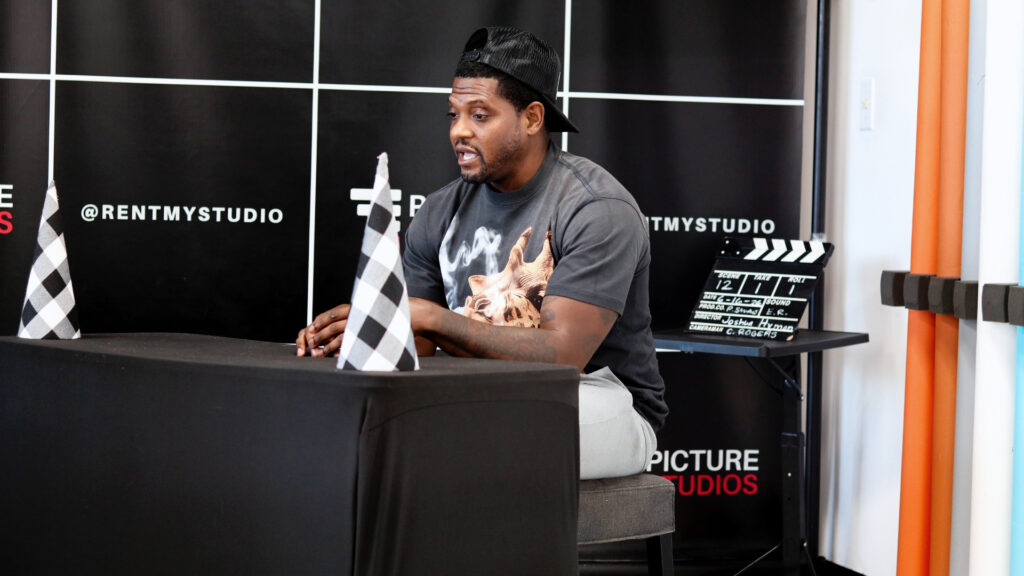
Musa Media is my production company. It was solely born out of not wanting to go to jail for taxes! [Laughs]. I edit, I write scripts, and I do a lot of independent work. I needed a place to bring everything under the same umbrella. It looks professional and it allows me to brand myself.
“You have to make that decision when you start a business: are you going to stand in front of it, or stand behind it? I wanted something that represented me, so I went with Musa Media and stood in front of it.” – Artsy Musa
Where do you stand on the roasts of Kevin Hart?
Artsy Musa: First of all, as a comic, you have to be okay with the attempt. In the words of Patrice O’Neal, I am always okay with the attempt. I think the average person can gauge whether someone’s attempt is to be malicious or to be funny. If you feel like their attempt was to be funny, then you gotta understand that the joke just wasn’t for you. If you heard laughs, that doesn’t mean it wasn’t funny—it just means the joke was for somebody else. I am a comedian at my core, and as a comedian, you have to give them the attempt.
Do you think comedy films will make a comeback?
Artsy Musa: Absolutely. Everybody has to be a little poor before it happens again. We’re seeing Kevin Hart’s business tightening up. We saw Katt Williams’ last special. We’re seeing content creators who were killing it kind of falling by the wayside while guys like Druski take the lead. All of this is what has to happen for the next Harlem Nights to happen. With Tubi, Paramount, and all these companies buying each other, once the smoke settles, everybody is going to want content. Just seeing Katt Williams and Kevin Hart going at it, I feel like we’re on the verge of the next big wave.
Tell us about the Triangle Comedy Network.
Artsy Musa: That’s my homie Joel Foster. He runs the Triangle Comedy Network. Shout out to him because he really does a lot on his own. He finds every show in the area and puts it on his YouTube page. He makes sure the information gets out, and that’s big in the comedy community because a lot of this stuff we don’t get paid for. Having that resource is awesome. I’m successful in the local scene because I present myself as always available to whoever wants to do a show.
How has marriage changed your comedy?
Artsy Musa: Marriage is everything. I read a book called Finding the Funny, and it talks about your comedic persona—your clothes, your overall package should align with the type of comedy you’re presenting. I wrote it down: I’m a black father, newly married, in his 40s. That was my true north. My comedy now, from the very first thing I say, deals with how the music has changed, being married for the first time, and the things that men are insecure about.
It’s done very well for me because growing up, I didn’t have a role model who was a cool, married man. We had dudes who were cool in the hood, but we never had a guy who was fly, wore Jordans, talked the way we talked, but had a wife and was solid with her. I wanted to be that guy. Putting that in my comedy makes marriage cool.
What do people always get wrong about you?
Artsy Musa: People get wrong that I like people! [Laughs]. The older you get, you realize you just want to do what you want to do. I talk to myself, I write, I’m creative in my own space. I’ve reached a very important milestone in my comedy career where I don’t need validation. I’m creating in a space just because I want to make stuff.
What should we plan to see from you this year?
Artsy Musa: I have a lot on the table. My man Shuler King and I are about to shoot some sketches, and we’ve talked about doing a pilot. I want to drop my new comedy special, Insecure Boyfriend. I’m also looking forward to writing a book—a culmination of dating advice from black men on a budget.
Beyond that, I have a series I want to shoot about black fathers. Part of it is therapy for me to just talk to other black men about being a father. We don’t normalize talking about fatherhood as much as we should. The most heartbreaking thing as a father is missing those teachable moments. If I fellowship with other fathers, maybe we can start recognizing those moments a little better.
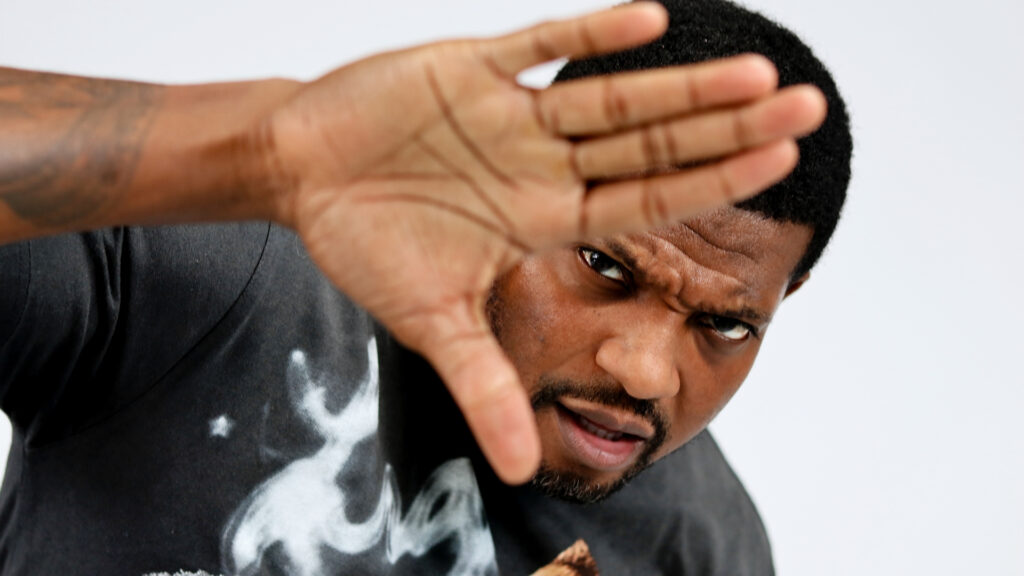
“The older you get, you realize you just want to do what you want to do. I talk to myself, I write, I’m creative in my own space.”
– Artsy Musa